Posidonia
Soundscapes
MARINE CONSERVATION & MUSIC IN IBIZA
UNESCO-endorsed action for the UNITED NATIONS OCEAN DECADE
Research Programme on the Maritime Acoustic Environment
Posidonia Soundscapes is a transdisciplinary project utilizing soundscape analysis to support the conservation of Posidonia oceanica, a vital and threatened seagrass species essential for biodiversity and carbon sequestration, playing a significant role in climate change mitigation in the Mediterranean.
Based in Ibiza, a renowned music epicenter and home to UNESCO-recognized Posidonia ecosystems, the project aligns with the Ocean Decade Challenges and SDGs by integrating biodiversity restoration, underwater acoustic research, and enhancing ocean literacy through the universal language of music and its global outreach.
By mobilizing the music community and fostering collaborations with scientific institutions and key stakeholders, the project promotes cultural and environmental sustainability. Activities include artist residencies, A/V performances, public art, and citizen science, aiming to support healthier Posidonia, increase awareness by 2030, and deepen the human-ocean connection.
Posidonia meadows
are the
Lungs of the Mediterranean Sea

What is Posidonia Oceanica?
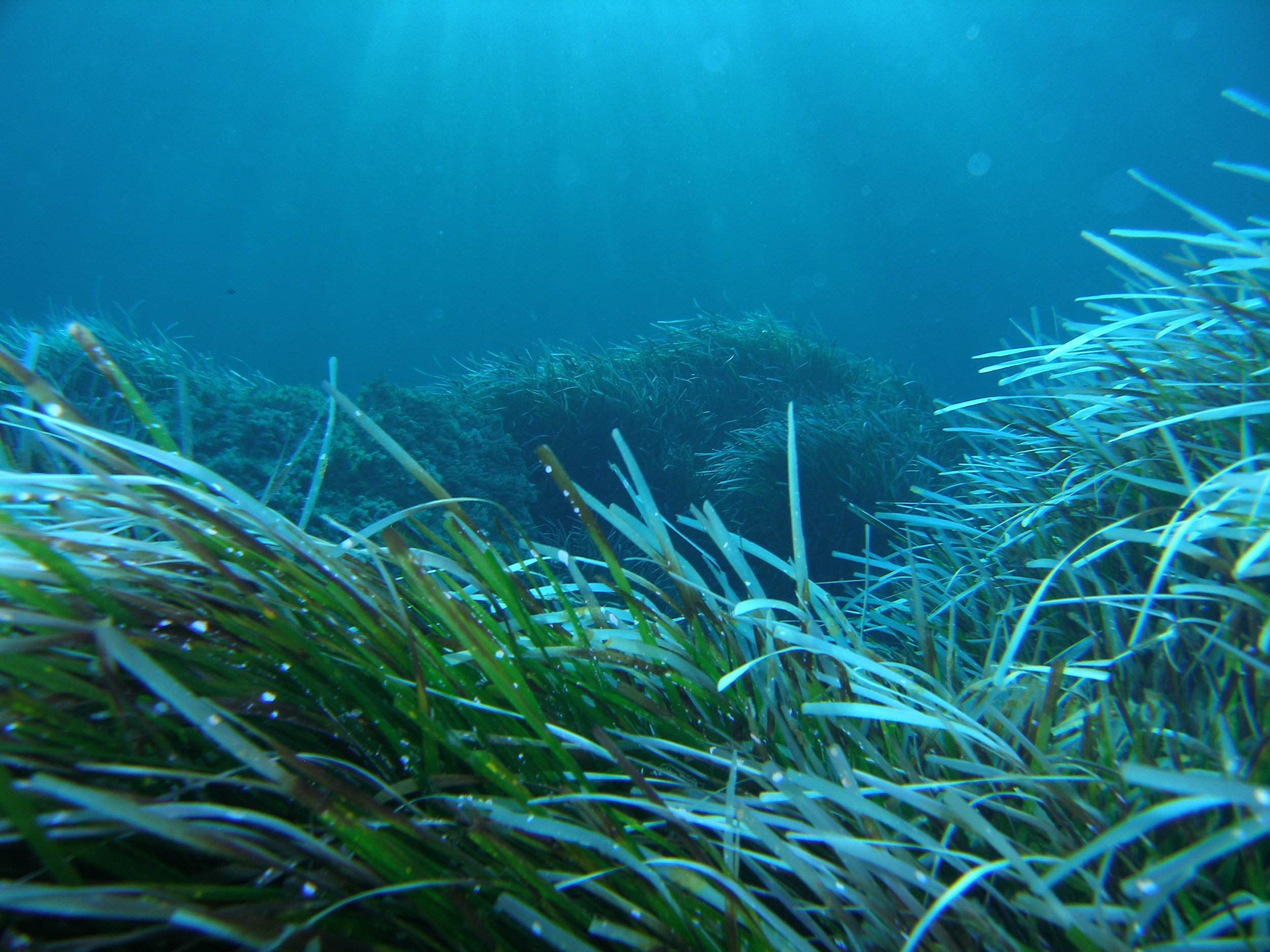
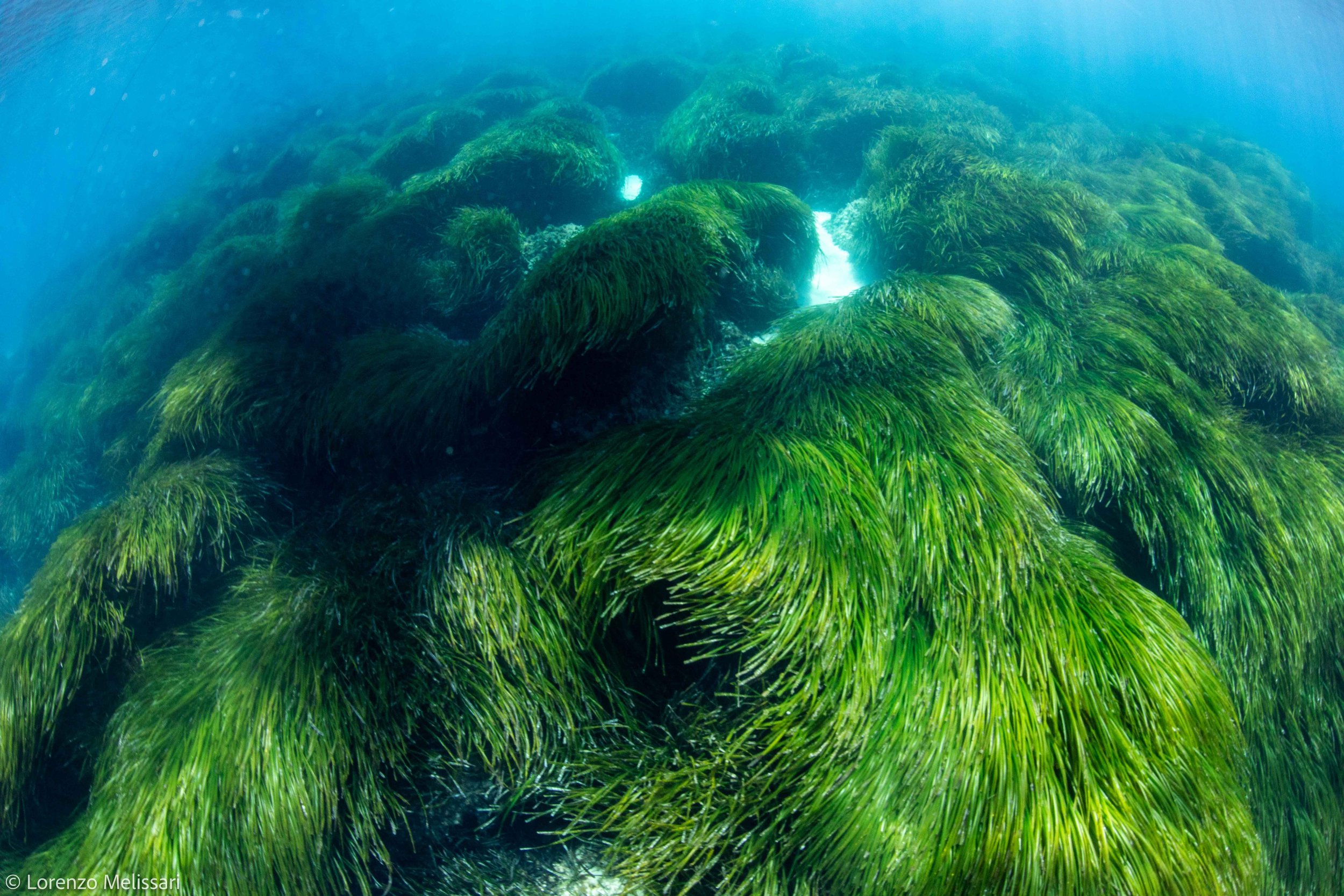
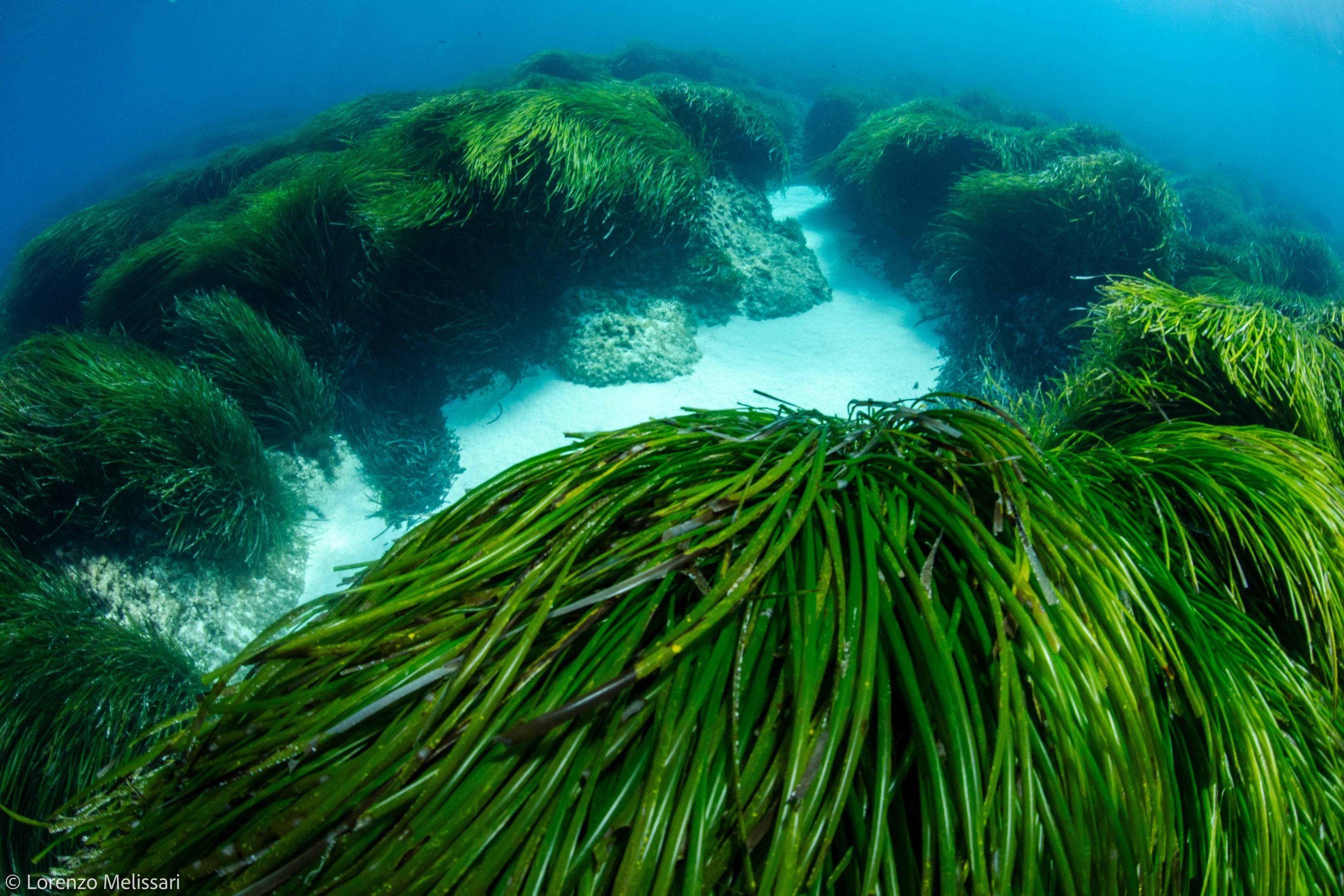
Posidonia oceanica, commonly known as Neptune grass, is a plant (not an algae) adapted to live underwater.
It is a vital element in preserving the Mediterranean’s ecosystems, preventing coastal erosion, and balancing the presence of carbon dioxide in the sea and atmosphere.
Posidonia meadows are among the most efficient ecosystems in nature, providing shelter for many underwater species and significantly contributing to CO2 removal.
One square meter of seagrass captures the equivalent of 15 square meters of the Amazon Rainforest.
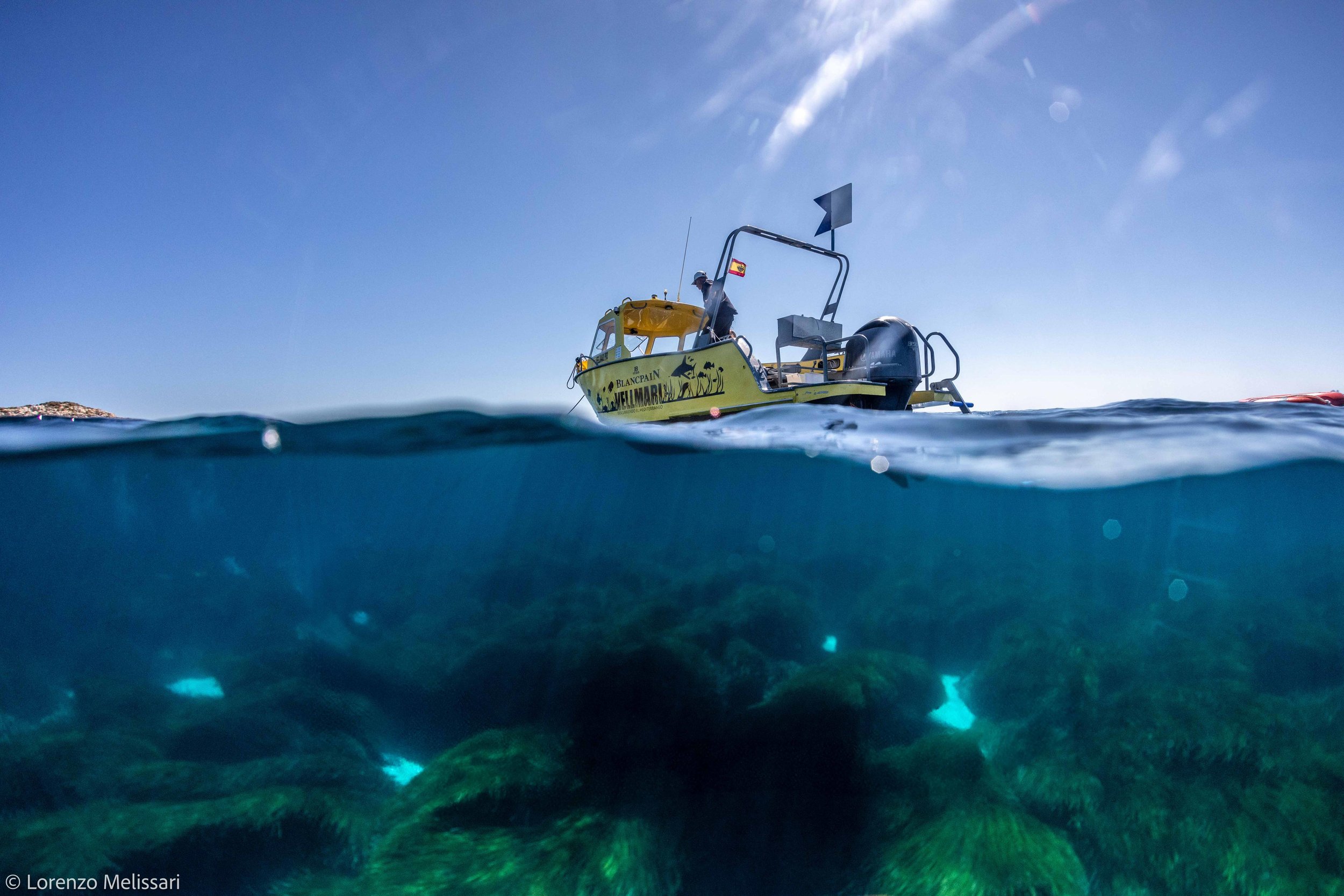
The Posidonia meadows in the Balearic islands of Ibiza and Formentera, declared World Heritage by UNESCO in 1999, are considered the largest and longest living beings on the planet.
However, this slow-growing species is severely threatened by human impact, pollution, and anchoring of boats, making urgent protection and conservation efforts essential.
Mission
The mission of Posidonia Soundscapes project is to leverage the influential reach of the music industry to drive positive change for the ocean and advance Ocean Literacy
Originating in Ibiza, the project addresses the unique challenges and opportunities of being both a vibrant epicenter of the electronic music scene and home to a crucial marine ecosystem, the UNESCO-recognized Posidonia oceanica meadows.
Launched by the Ibiza-based NGO MusicForTheSea.org, this initiative aims to mobilize the artistic community to advocate for the sustainability of vital marine habitats.
Recognizing the impact of club tourism and its ecological footprint, the project aims to give back to Ibiza by protecting its marine heritage.
Through collaboration with artists, forward-thinking creatives, influential music industry stakeholders and scientific experts, the project is dedicated to supporting the UN Ocean Decade's 30x30 goal, aligning with the challenge to protect biodiversity and connect humanity with the ocean.
By making Ibiza a global example of how the music industry can coexist with marine conservation, The Posidonia Project seeks to inspire a worldwide movement toward a bluer planet.
Project Overview
-
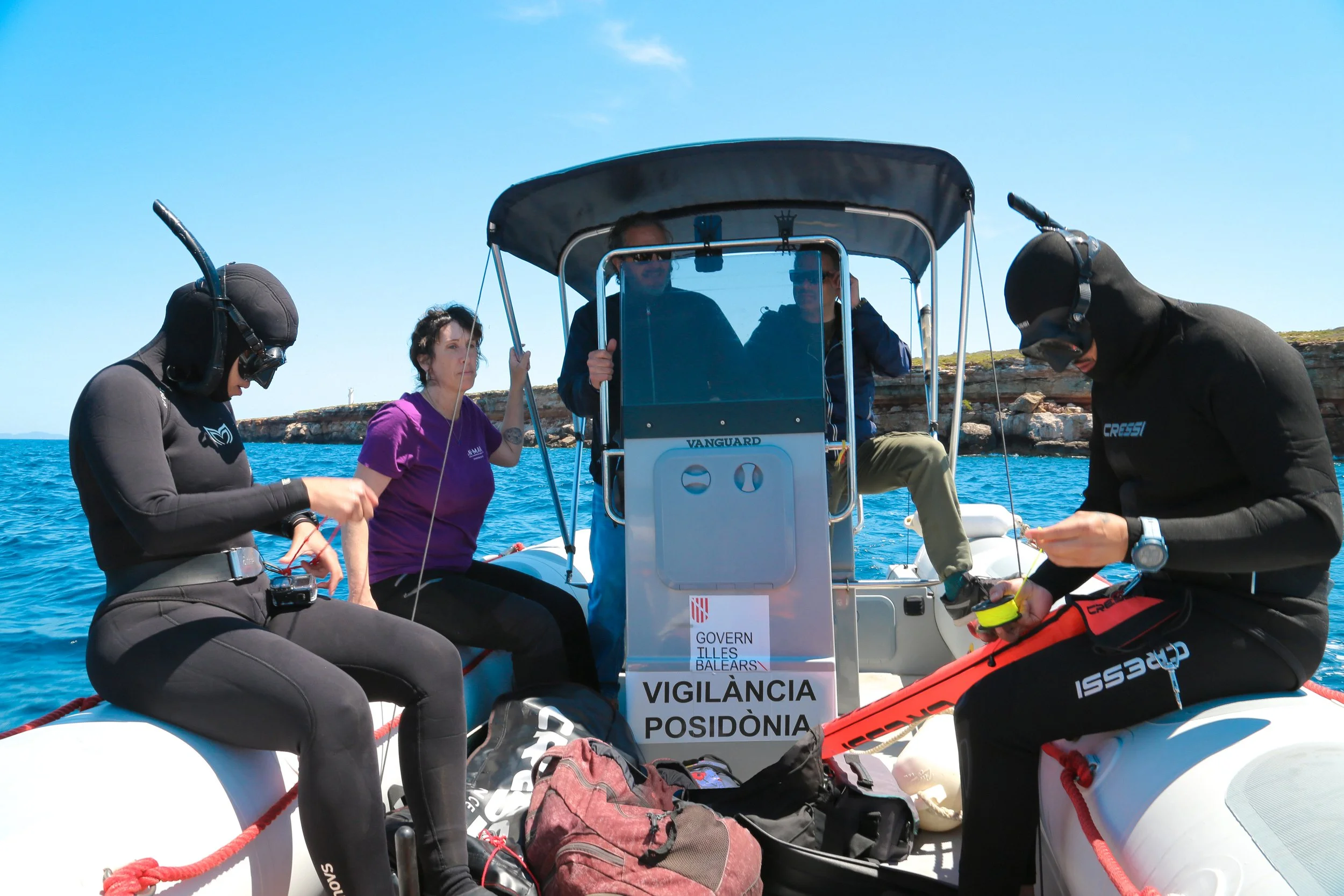
We have established strategic partnerships with leading institutions, including the Marine Research Institute (INMAR) of the University of Cádiz, which contributes scientific expertise in marine ecosystems and underwater acoustics. This integration of scientific research with creative arts is designed to inspire transformative environmental change, advancing the goals of the UN Ocean Decade by promoting the sustainable management and conservation of marine resources
-
Challenge 2: Protect and Restore Ecosystems and Biodiversity
Soundscapes of Posidonia directly addresses this challenge by monitoring the health and biodiversity of Posidonia oceanica meadows through passive acoustic monitoring (PAM). By collecting baseline acoustic data and conducting long-term monitoring, the project assesses the impact of human activities and the effectiveness of restoration efforts on these ecosystems. The insights gained help inform targeted conservation actions and strategies to restore and protect these vital marine habitats.
Challenge 9: Skills, Knowledge, and Technology for All
This initiative contributes to building knowledge and skills by developing innovative methods for acoustic monitoring and analysis. By integrating advanced technologies such as machine learning and deep learning, the project enhances our ability to interpret complex underwater soundscapes. Additionally, Soundscapes of Posidonia provides educational resources and public engagement opportunities, fostering a deeper understanding of marine acoustics and conservation among scientists, artists, and the general public.
Challenge 10: Restoring Humanity’s Relationship with the Ocean
The project aims to reshape how people perceive and value the ocean by transforming scientific data into compelling sound art and music experiences. By engaging local communities, tourists, and global audiences through public art installations, live performances, and citizen science initiatives, Soundscapes of Posidonia encourages a cultural and emotional connection to the marine environment. This approach promotes a sense of stewardship, inspiring individuals and communities to take action in support of ocean conservation and sustainable practices.
-
Acoustic Characterization
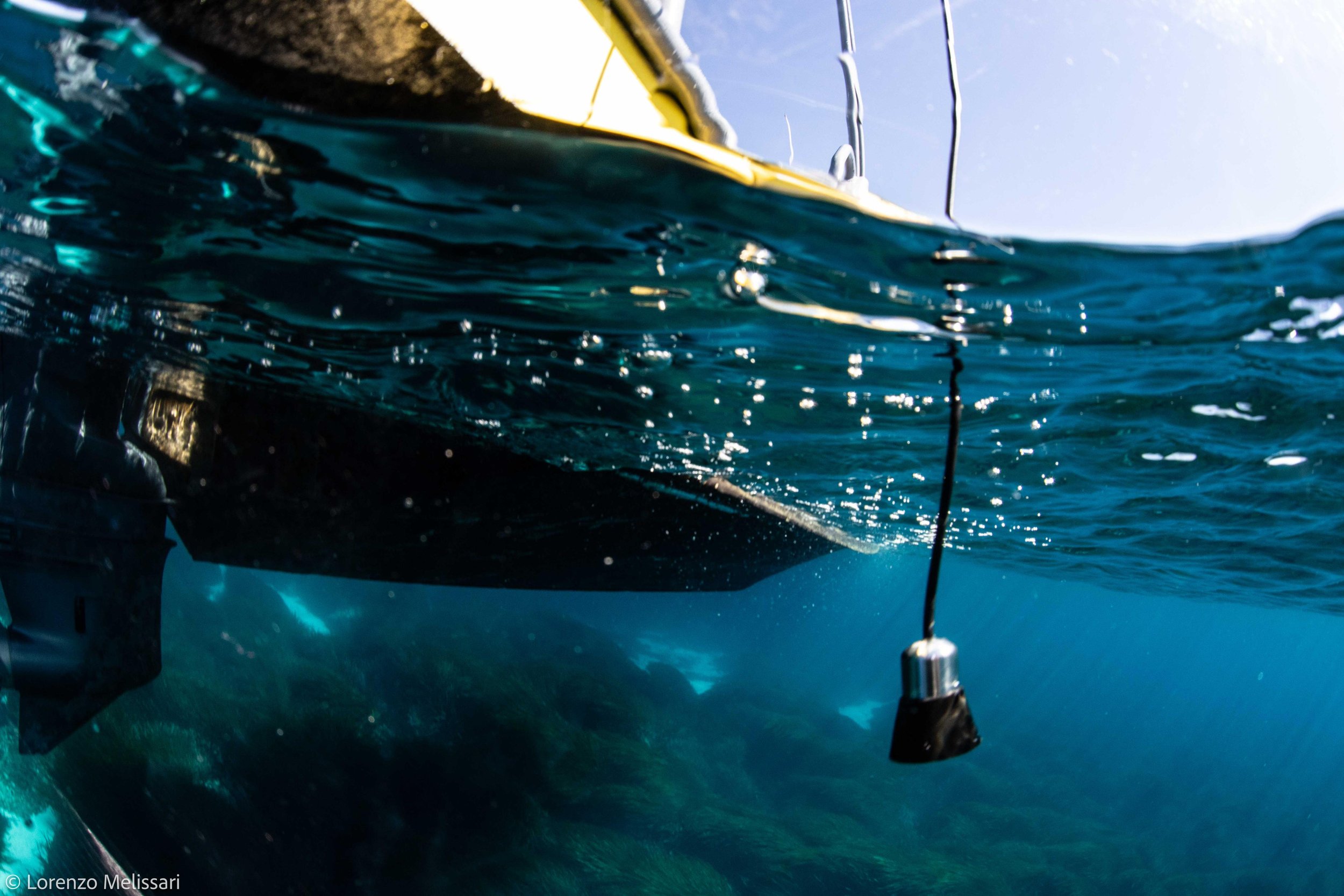
Deploy Passive Acoustic Monitoring (PAM) systems to capture the natural soundscapes of Posidonia meadows.
Study the impact of human-made noise on marine life, focusing on phenomena such as cetacean biophony and bioacoustic interactions.
Ecosystem Health Assessment
Monitor the health of Posidonia meadows using sound analysis, particularly before and after restoration efforts.
Evaluate the success of conservation initiatives through systematic acoustic monitoring.
Public Awareness and Engagement
Use sound synthesis to transform scientific data into immersive musical and artistic experiences.
Engage the public through events, art installations, and citizen science projects, fostering collaboration among scientists, artists, and communities.
Ocean Literacy
Promote understanding of the importance of acoustic environments in marine ecosystems.
Educate audiences on the significance of preserving underwater soundscapes for the health of marine life and human well-being.
-
Promoting Ocean Literacy: Develop resources and programs to educate on the significance of underwater soundscapes.
Collaborative Learning: Partner with educational institutions and NGOs to disseminate knowledge on ocean conservation and noise pollution.
Awareness Campaigns: Utilize digital media and public events to connect ocean health, human well-being, and cultural heritage.
-
Phase 1: Initial Acoustic Characterization (Year 1) - STARTING APRIL 2025
Deploy PAM systems to gather baseline acoustic data in Posidonia meadows.
Analyze acoustic data to understand both natural and anthropogenic noise impacts, creating a reference library for further study and artistic use.
Phase 2: Long-Term Acoustic Monitoring and Artistic Collaboration (Years 2-3)
Continue acoustic monitoring to identify temporal changes in soundscapes.
Utilize machine learning to interpret biogenic sounds and identify key ecosystem bioindicators.
Expand sound library for use in public art installations and performances.
Phase 3: Post-Replantation Health Evaluation (Year 4)
Assess the health of restored Posidonia meadows through acoustic analysis and other metrics like oxygen production and biomass fluctuation.
Collaborate with international research institutions and involve local communities in data collection and interpretation.
-
Integration of Music Technology and Acoustic Research: Develop sound-based art and music compositions that highlight the importance of marine conservation.
Multidisciplinary Events: Host events combining scientific presentations, musical performances, and art exhibitions to foster a cultural dialogue about marine conservation.
Public Art Installations and Live Performances: Create immersive experiences to raise awareness of the ecological importance of Posidonia meadows.
Citizen Science Initiatives: Engage the public and artists in scientific research, making data collection and interpretation accessible.
Global Model for Conservation: Showcase Ibiza as a leader in merging cultural industries with environmental sustainability, inspiring similar global initiatives.
Outreach & Dissemination
-
The Posidonia Soundscapes project harnesses the universal language of music to transcend cultural and geographical boundaries, promoting inclusivity and diversity in alignment with the United Nations Sustainable Development Goals (SDGs). By leveraging the powerful emotional and communicative potential of music, this initiative seeks to deepen the global public’s connection to the ocean, fostering appreciation, understanding, and commitment to marine protection. Originating from Ibiza, a global epicenter of music with a vast audience reach and home to some of the most extensive meadows of Posidonia oceanica, the project aims to use this unique position to amplify its message. Central to this approach is the promotion of ocean literacy, which involves educating audiences about the critical importance of marine ecosystems, the challenges they face, and the necessary actions to ensure their sustainability. By integrating scientific research, advanced music technology, and interdisciplinary collaboration, we aim to cultivate a shared sense of responsibility for the well-being of our oceans, thereby promoting sustainable practices and conservation efforts on a global scale.
Aligned with UNESCO's vision of integrating culture, science, and education for sustainable development, the Soundscapes of Posidonia project employs a holistic approach to outreach and dissemination. By leveraging music as a catalyst for change, with its vast global reach, the project aspires to foster a culture of ocean stewardship and environmental responsibility. The following strategies are designed to ensure that the project's message resonates with diverse audiences worldwide, enhancing understanding and engagement with marine conservation and sustainable practices.
-
The project focuses on developing soundscapes inspired by underwater recordings from Posidonia oceanica meadows, using these soundscapes as a powerful tool to promote ocean literacy and convey the urgency of protecting marine ecosystems. By merging scientific data with artistic creativity, the project transforms complex ecological information into accessible and emotionally resonant musical compositions, fostering a deeper connection between audiences and the natural world. This approach underscores the role of music as a universal medium for education and advocacy, bridging the gap between science and public engagement.
Ableton, a leading company in music technology with a global community of passionate music creators, represents a potential collaborator in these efforts. Known for its innovative software, including Ableton Live, Ableton could provide advanced tools that empower artists, producers, and educators to create immersive soundscapes. While Ableton has shown strong support for these objectives, any collaboration would develop organically over time, reflecting shared goals and available resources. Ableton's commitment to creativity, inclusivity, and sustainability aligns with our mission and the broader goals of the UN Ocean Decade, contributing to the advancement of ocean stewardship through the fusion of music and environmental science
-
Through immersive events that combine live music, visual art, and scientific presentations, the project seeks to create compelling experiences that engage both the senses and the mind. These events aim to enhance ocean literacy by demonstrating the interconnectedness of art, science, and conservation. Partnering with MUTEK, an internationally acclaimed organization dedicated to digital creativity in sound and audio-visual art, the project will host events in Ibiza and other major cultural hubs, including Montreal, Barcelona, Mexico City, Santiago, Buenos Aires, and Dubai. By showcasing innovative and experimental works through live performances, scientific presentations, digital art installations, and symposiums—such as "The Posidonia Project - Bridging Electronic Music with Marine Conservation, Barcelona 2024"—these events will serve as platforms for dialogue and discovery, promoting sustainable marine practices and cultural exchange. MUTEK's expertise in curating avant-garde festivals ensures that the events will maintain high artistic quality and cultural relevance.
-
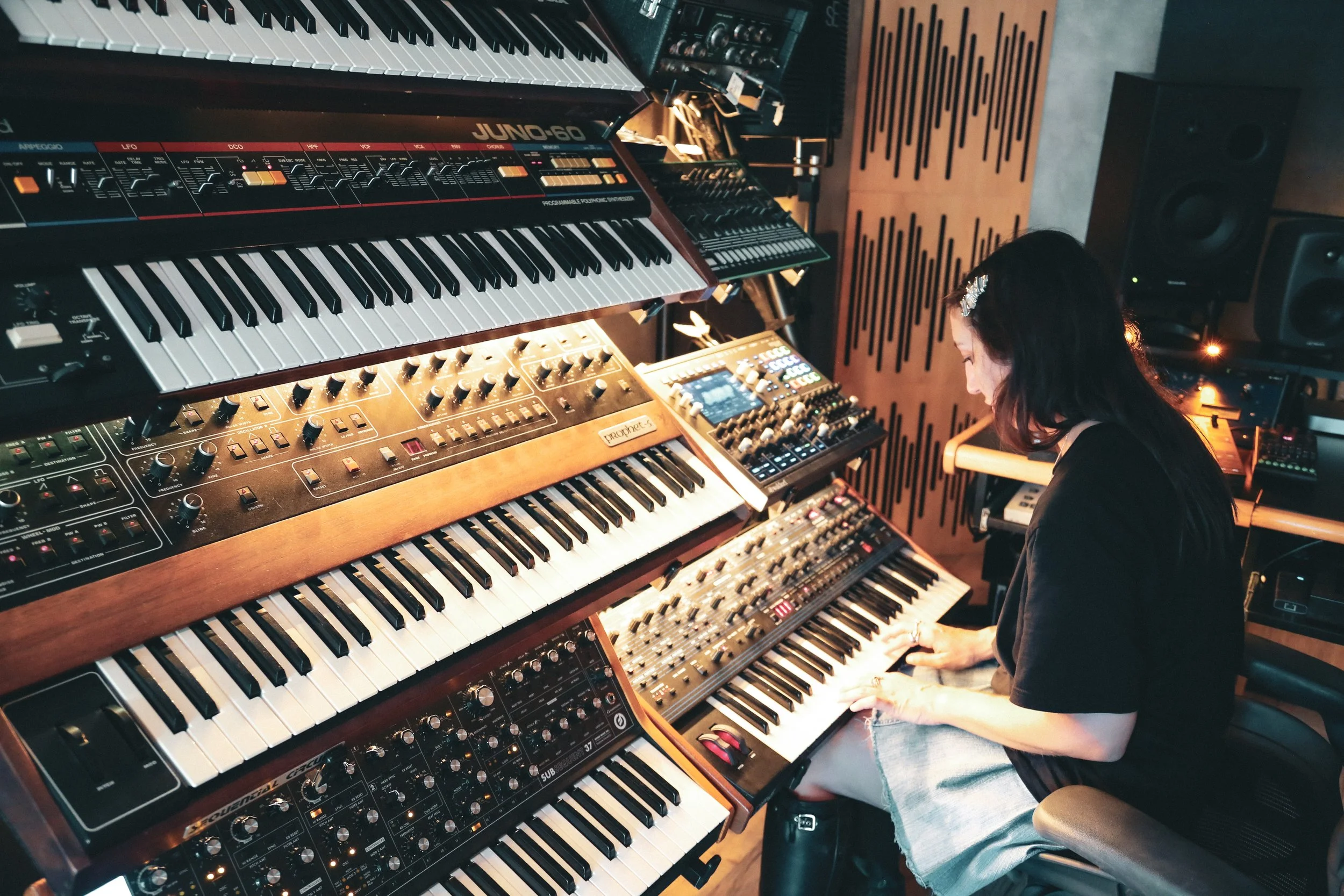
The project will curate and release eco-friendly music albums featuring contributions from influential ambient artists from around the globe, including Denmark, France, the UK, the USA, Kenya, Mexico, Japan, Italy, Norway, Germany, and Australia. Inspired by the natural beauty and soundscapes of Ibiza’s marine environment, these artists participate in inspiring underwater expeditions, gathering material for their music and promoting ocean literacy. Wider Sounds, a multidisciplinary creative hub and recording studio in Ibiza, will continue to host artist residencies, providing a space for musicians to collaborate on these eco-conscious projects. By integrating sustainability into the creative process, this collaboration with Wider Sounds offers an environment that connects artistic expression with ecological awareness, encouraging artists to use their platforms to highlight ecological issues, promote sustainable practices, and foster global appreciation for marine conservation.
-
To bring the message of ocean conservation to urban environments, the project aims to create public art installations featuring live marine soundscapes through engagements and collaborations with local institutions. These installations will be strategically placed in public spaces in Ibiza and other global cities, allowing people to experience the underwater world and inspiring them to engage with marine conservation. By using real-time sound data and interactive technology, these installations will provide immersive educational experiences, enhancing public awareness of the beauty and ecological significance of Posidonia oceanica meadows.
-
The project will develop a wide range of educational resources, including videos, documentaries, and workshops, highlighting the role of Posidonia oceanica in sustaining marine health and combating climate change. These educational initiatives target tourists, children, and local communities, promoting ocean literacy and inspiring future generations to become environmental stewards. Collaborations with entities like Ableton and EarthPercent, founded by influential artist Brian Eno, will enhance these efforts. Initiatives such as "Nature as a Co-Writer" encourage artists to incorporate ecological themes into their work, advocating for sustainable practices. EarthPercent’s mission to utilize music for environmental advocacy supports our objectives, extending the impact of our message through partnerships with influential figures in the music industry.
-
The "BlueResonance" radio show, launching in November 2024 on OpenLab.fm, will blend ambient music inspired by underwater soundscapes of the Soundscapes of Posidonia with discussions on marine conservation. This program targets a global audience, using the power of music to enhance ocean literacy and raise awareness about the importance of ocean health. Featuring contributions from guest artists, scientists, and conservationists, "BlueResonance" fosters a community dedicated to the protection of our oceans, using music as a medium for environmental advocacy.
-
By integrating marine conservation themes into music festivals worldwide, the project leverages the vast reach of these cultural events to promote ocean literacy. Through multimedia performances, symposiums, and panel discussions, the project engages festival-goers in conversations about sustainable practices. In collaboration with the International Music Summit (IMS) in Ibiza, the project will use platforms like the "Music Power in Climate Crisis" panel, where MusicForTheSea founder Coco Francavilla will participate in April 2024, to discuss the role of music in fostering environmental stewardship, bringing together environmental advocates, industry leaders, and artists to explore the intersection of music and sustainability.
-
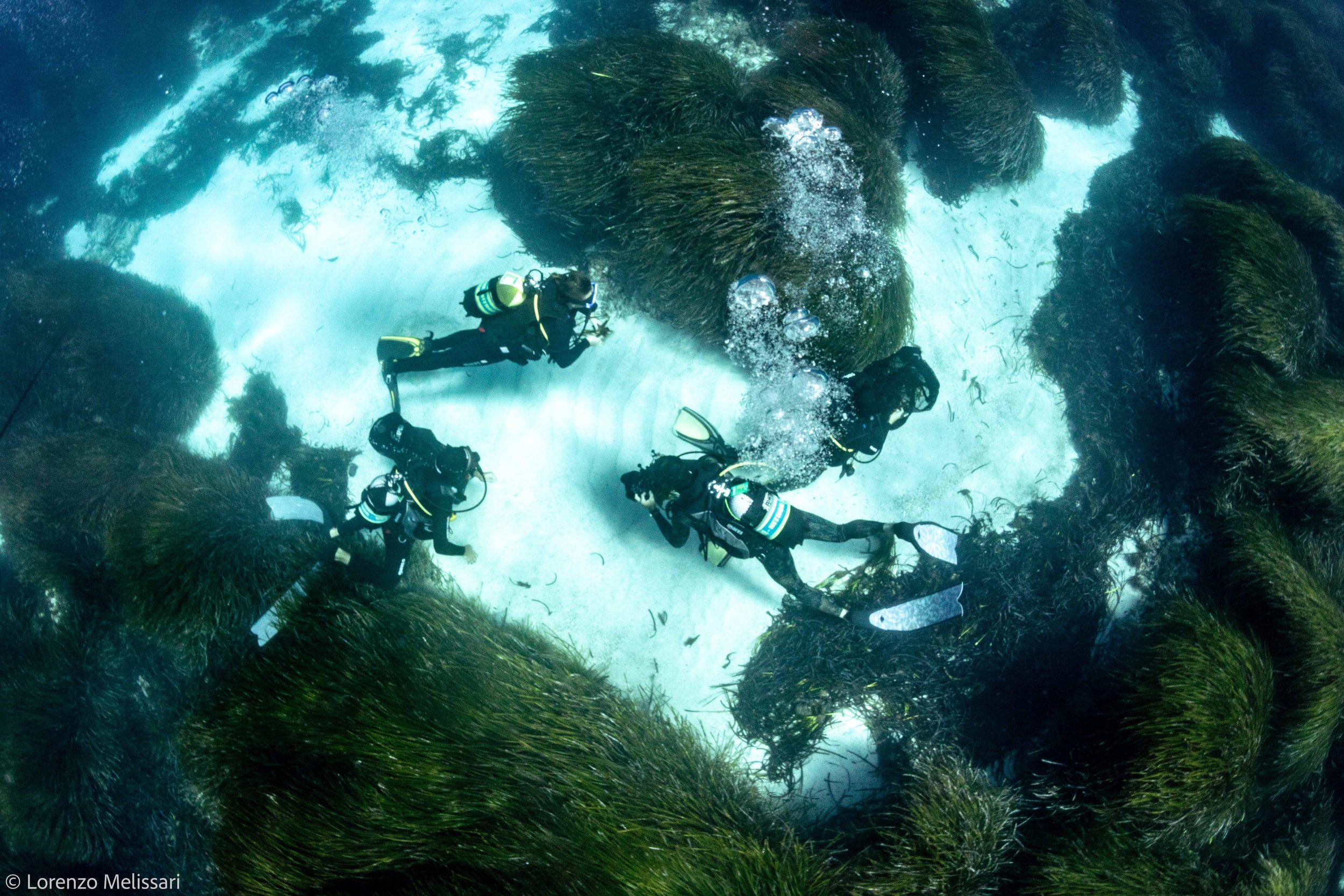
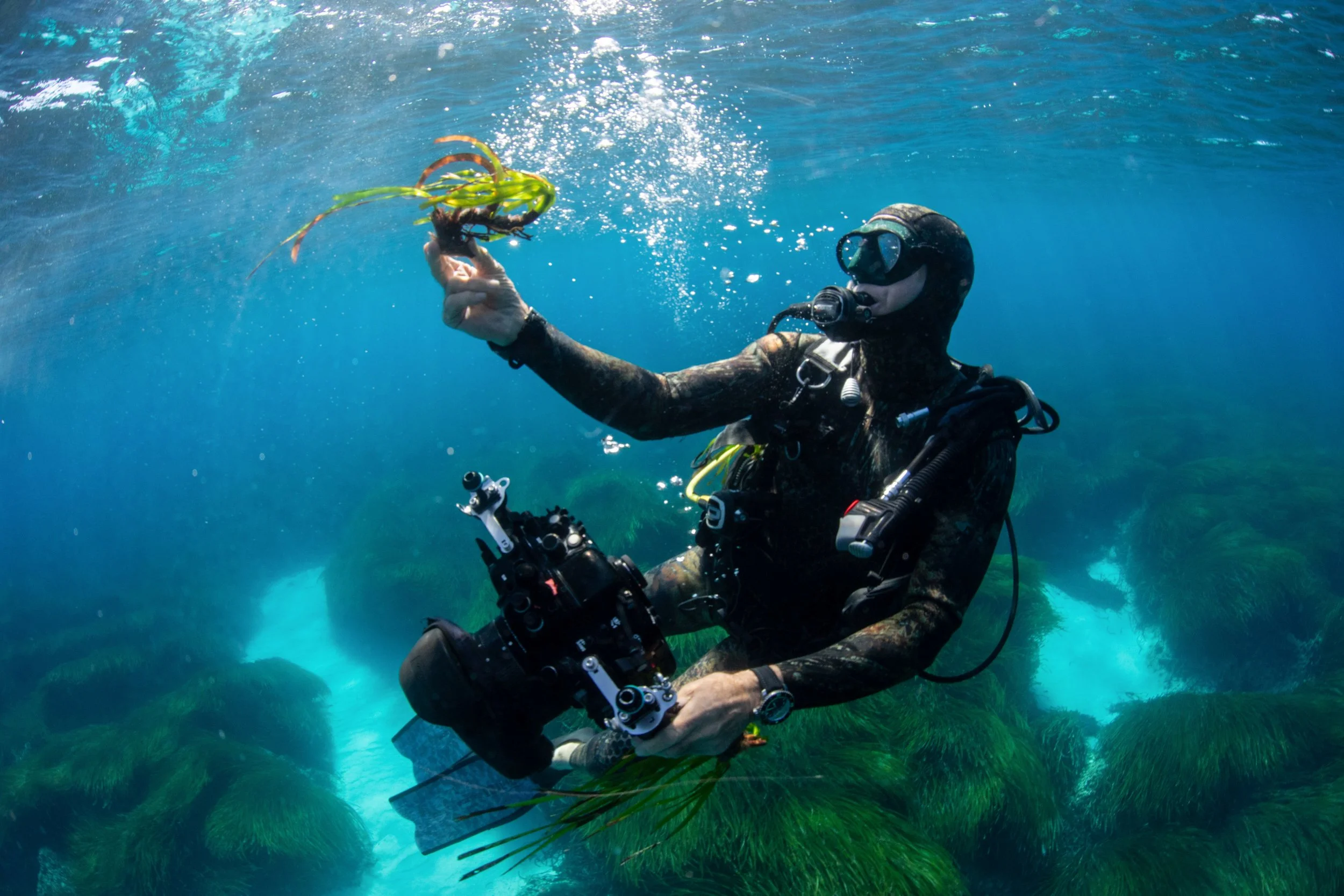
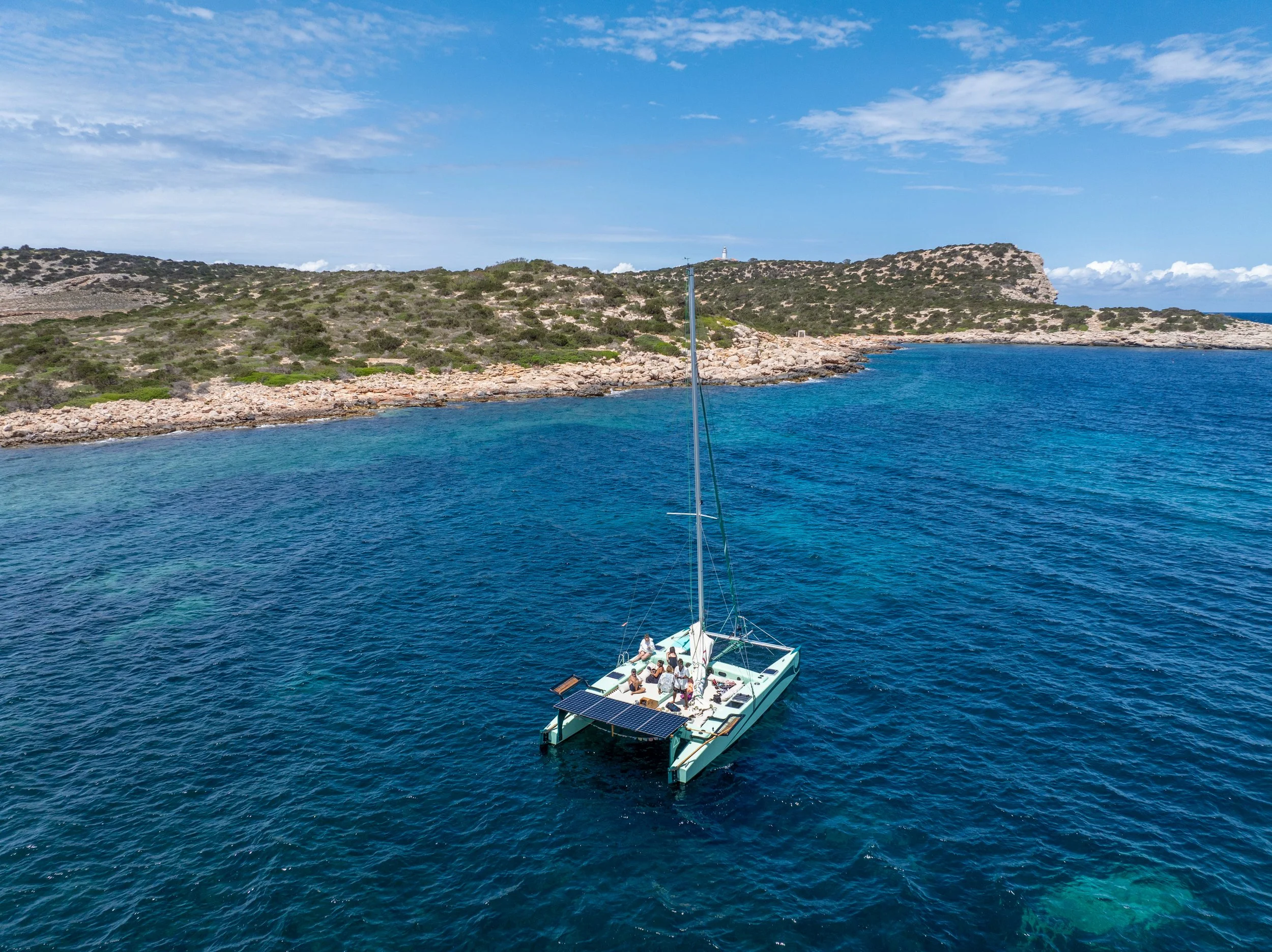
Recognizing Ibiza’s status as a global hub for electronic music, the project seeks to engage the local music industry community and stakeholders to support our project and advance ocean literacy. This includes influential DJs and music producers who attract millions of followers. Through initiatives like TechnoX30, the project invites these artists to become "Ocean Ambassadors," using their platforms to advocate for marine conservation and participate in citizen science. During the clubbing season, these ambassadors will engage in Posidonia replantation expeditions, including during the deployment of hydrophones for underwater acoustic research, create sound samples inspired by their experiences, and curate playlists that promote ocean literacy. This initiative not only offers unique musical content to global audiences but also inspires broader change towards ocean preservation.
Another local engagement effort for ocean literacy is the collaboration and support of TEDx Dalt Vila, an independently organized TED event in Ibiza. This event serves as a platform for sharing innovative ideas and promoting positive change. Through collaboration with TEDx Dalt Vila, the project emphasizes the importance of sustainability, ocean resilience, and the role of music in environmental stewardship. MusicForTheSea founder Coco Francavilla participates in talks and performances, highlighting the critical importance of ocean literacy and sustainable practices, engaging the local community in meaningful conservation efforts.
-
Representing the project at international conferences and summits, the Soundscapes of Posidonia initiative advocates for sustainable marine practices and highlights the transformative potential of music and the arts in promoting environmental awareness. Engaging with policymakers, industry leaders, and scientists, the project seeks to influence global conservation strategies, advocating for interdisciplinary approaches to ocean stewardship.
Citizen Science Initiatives
The project actively involves the public and artists in scientific data collection and interpretation, making marine research accessible and participatory. Collaborating with organizations like Ocean World of Sound, part of the Maritime Acoustic Environment (MAE) program, the project will utilize methodologies that combine listening techniques and research on the Mesoamerican Reef ecosystem. These citizen science initiatives empower individuals to engage in conservation efforts, enhancing their connection to the ocean and fostering a sense of responsibility for its preservation.
Establishing Ibiza as a Global Model for Conservation
By showcasing the successful integration of music, art, and science in conservation efforts, the project aims to position Ibiza as a global model for how cultural industries can align with environmental sustainability. This initiative serves as an inspiration for similar projects worldwide, demonstrating the powerful role of cultural engagement in promoting ocean health and advancing ocean literacy.
The Soundscapes of Posidonia initiative embodies a comprehensive outreach strategy that aligns with UNESCO's mission to utilize education, culture, and science as catalysts for sustainable development. By employing innovative methods of dissemination and public engagement, the project not only raises awareness about the critical importance of marine conservation but also nurtures a global community committed to protecting the health of our oceans. Through these diverse efforts, the initiative aims to inspire lasting change in humanity's relationship with and care for the marine environment, leveraging the universal appeal of music to enhance ocean literacy and foster a sense of global responsibility.
Artists
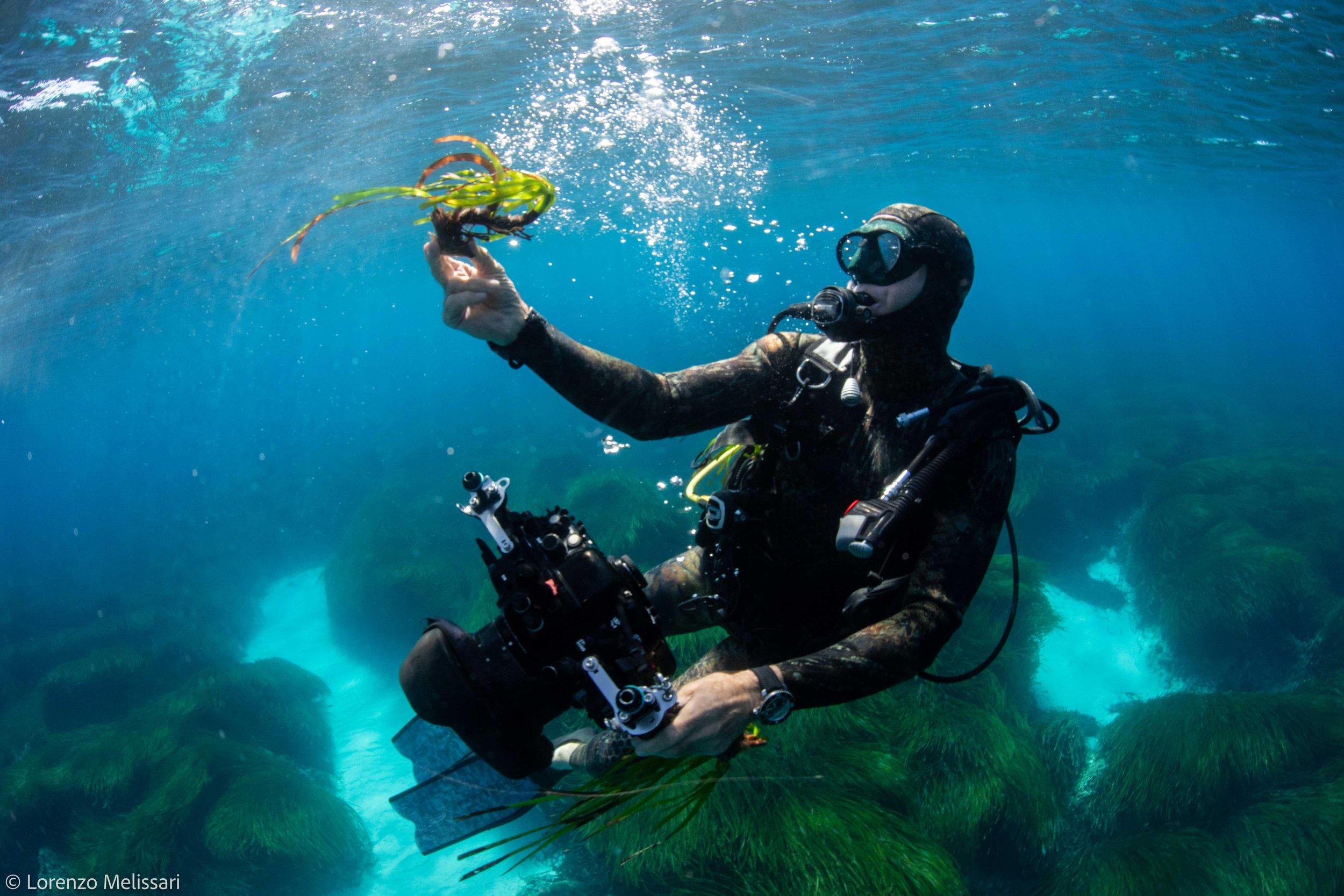
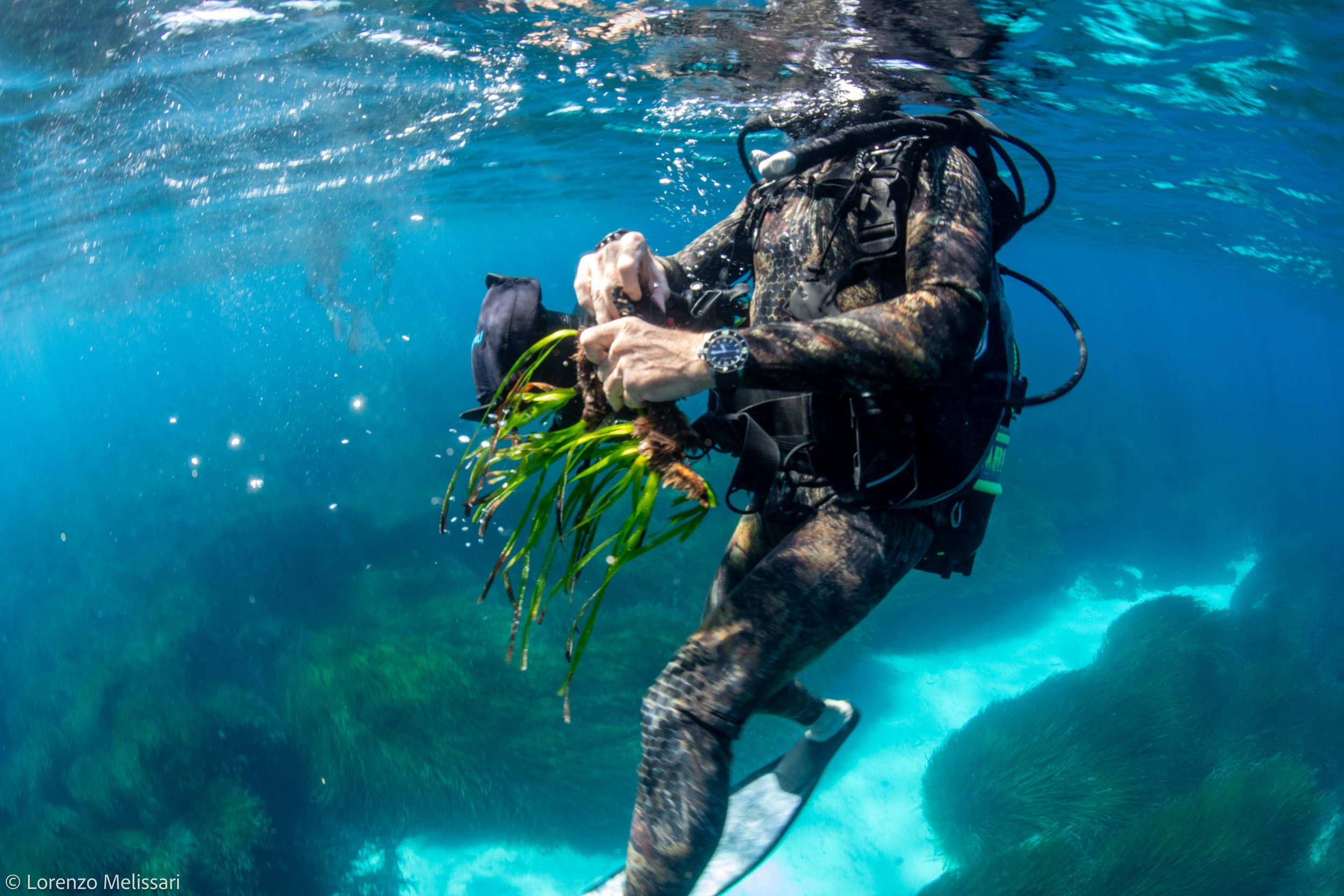
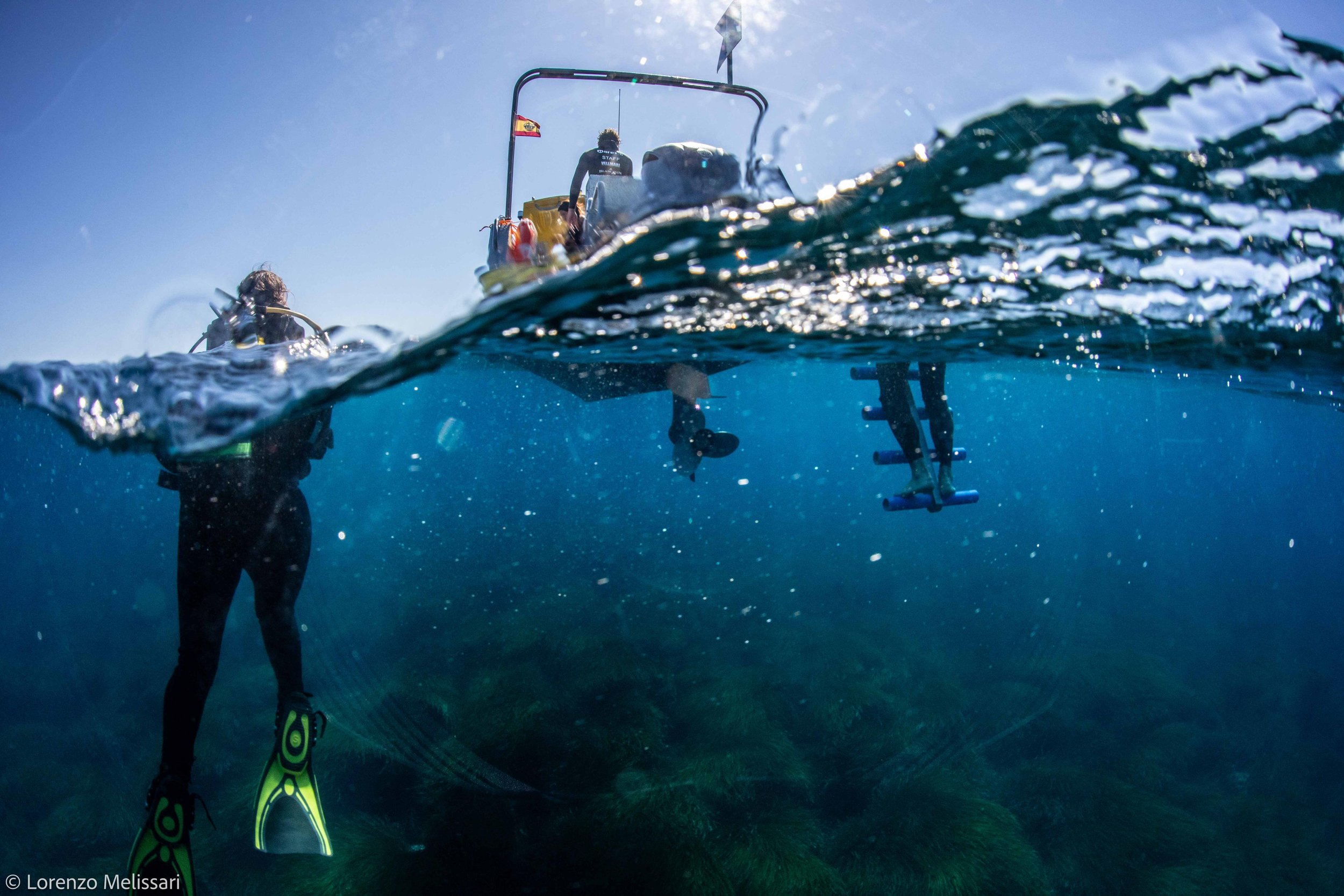
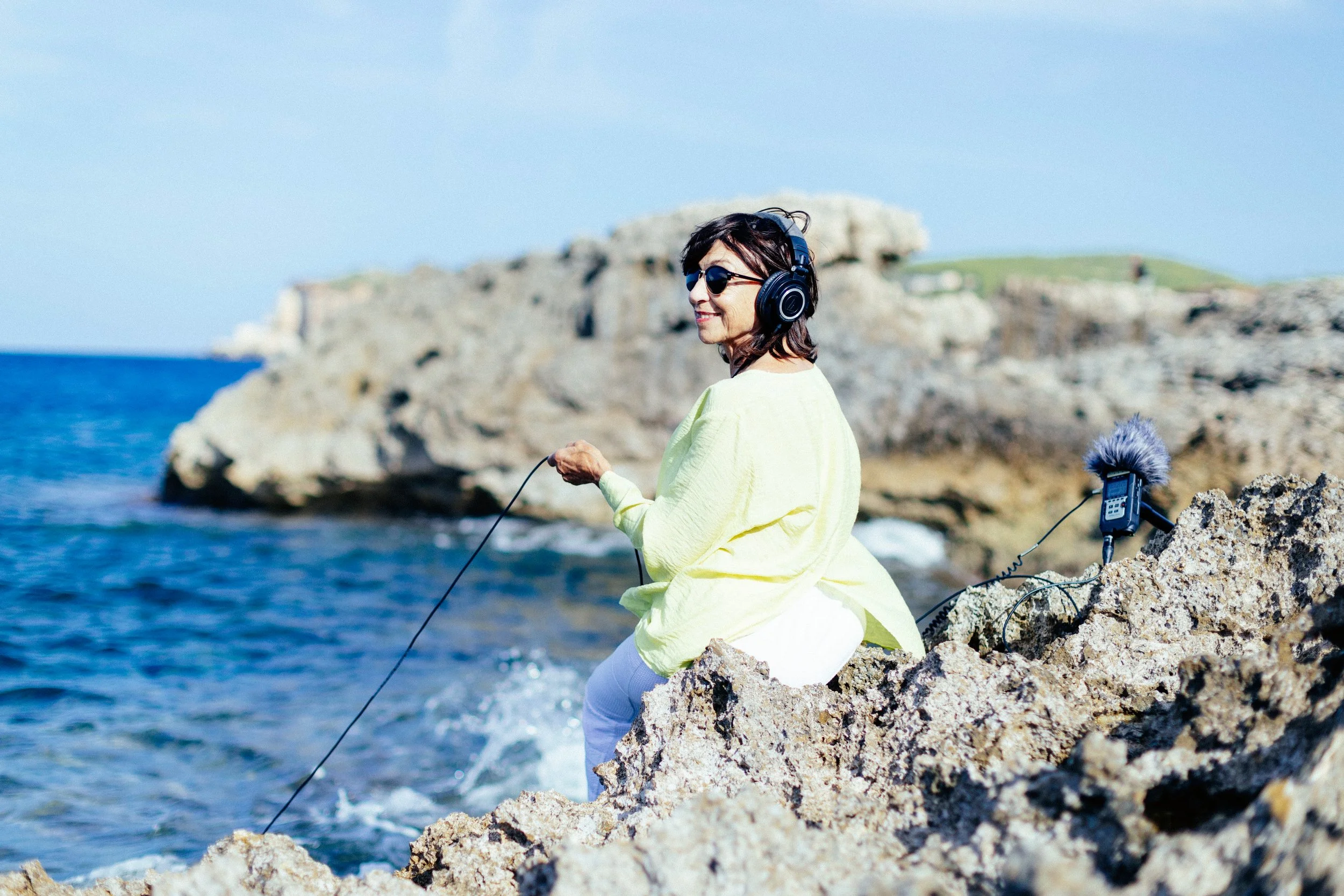
The artists invited to take part in THE POSIDONIA PROJECT are exceptional composers thriving in the ambient music scene. The goal is to invite these artists to a four-day residency at Ibiza's WIDER SOUNDS studio. During their visit to the Balearic Island, artists will have the opportunity to explore Posidonia marine sites, embark on sonic journeys, and participate in photographic expeditions to find inspiration for composing tracks to be included in the compilation album. Each artist will have the chance to conduct field recordings by the Posidonia meadows, both underwater and along the sea surface.
In addition to their artistic endeavors, these artists will be involved in bioacoustic monitoring as citizen scientists. The recordings they produce will serve multiple purposes: they will be used for musical compositions, sound libraries, and scientific research aligned with the Ocean Decade actions. These tracks will be featured in the compilation album and utilized for artistic visual content creation to raise awareness about Posidonia. Extracts from the tracks, accompanied by visuals of the sea, will be used to create climate-forward artistic videos, serving as another powerful fundraising vehicle. Unique new-media artists will be invited to contribute to the creation of visuals, enhancing the project's artistic and environmental impact.
ARTISTS PARTICIPATING
SUZANNE CIANI
RAFAEL ANTON IRISARRI
GRAND RIVER
SOFIE BIRCH
PATRICIA WOLF
KAZUYA NAGAYA
MARTA DE PASCALIS
and more
Video by Manu San Felix
Logbook

Official Partners
-
INMAR INSTITUTE OF MARINE RESEARCH
-

OCEAN WORLD OF SOUNDS
-

MUTEK ES